

a better us.
A Better Us is the publication of Indigo Path Collective, exploring how relationships, systems, and information shape well-being through practical, evidence-informed insights for everyday life, leadership, and organizations.

What Does Transparency Actually Mean at Work?
Transparency at work does not mean telling employees everything. Managers build trust by communicating what is known, acknowledging what remains unknown, and following through when they promise to provide more information.

Can You Trust Yourself?
Self-trust develops through the patterns in your own behavior. When you pay attention to the relationship between what you promise yourself and what you actually do, you gain information that can help you become more trustworthy in your relationship with yourself.
Trust their Pattern
Trust develops through patterns. Repeated behavior gives you information about what you can reasonably expect from someone, while trustworthiness tells you whether their behavior has given you enough reason to rely on them. Learning to trust the pattern can make relationships easier to understand.
Stress Is a Health Issue
Stress affects more than how we feel. Ongoing pressure can influence physical and mental health, making information about a person’s life an important part of understanding their health and providing whole-person care.
What Would a Trauma-Informed Community Look Like?
Trauma-informed principles can apply anywhere people share relationships, systems, information, and responsibility. Using a homeowners association as an example, this article explores how trauma-informed principles and the Human Relations Matrix can support healthier, more effective communities.

Managers Need Peer Support Too
Managers are expected to manage pressure from executives, employees, and across the business, often without adequate support. Managerial peer support gives managers trusted relationships for sharing information, coordinating systems, solving problems, and reducing workplace isolation.
You Know How to Support Everyone Else. What About Yourself?
Most of us know how to support someone we care about when they are struggling. But under pressure, we may treat ourselves very differently. Internalized peer support offers another option by turning the same patience, care, and attention we give others toward ourselves through self-soothing.

How Safe Are You With You?
How safe are you with yourself? The answer may influence every relationship you will ever have. Learn how everyday responses to your thoughts, emotions, and experiences shape the relationship you have with yourself—and why safety is the foundation of healthier relationships.

Are You Confusing Safety With Trust?
Safety and trust are closely connected, but they are not the same thing. Learn why confusing the two can make it harder to renew your relationship with yourself and how establishing safety creates the conditions for trust to grow.
Psychological Safety Isn't Enough
Psychological safety is important, but it is only one part of a much larger picture. Real safety begins when you can protect yourself physically, emotionally, and psychologically, no matter where you go or who you are with. Renewing your relationship with yourself starts with becoming your own source of safety.
Just Because You Don't Understand Something — Or Don't Like It — Doesn't Mean It's Wrong
When we encounter unfamiliar ideas or experiences, our first reaction is often to reject them. But what if growth begins by staying open just long enough to understand before deciding? This article explores how psychological flexibility and trauma-informed principles can strengthen relationships, leadership, and everyday life.
You cannot Create More Time, But You Can Spend It Better
Most people think they have a time problem. More often, they have an alignment problem. Learn how creating a time budget can help you spend your limited hours in ways that better reflect what matters most.
The Mental Health Crisis Is a Workplace Problem Too
The CDC says improving mental health means improving the environments where people live, learn, work, and play. If work is one of those environments, then organizational leaders have a greater influence on health and productivity than many realize.
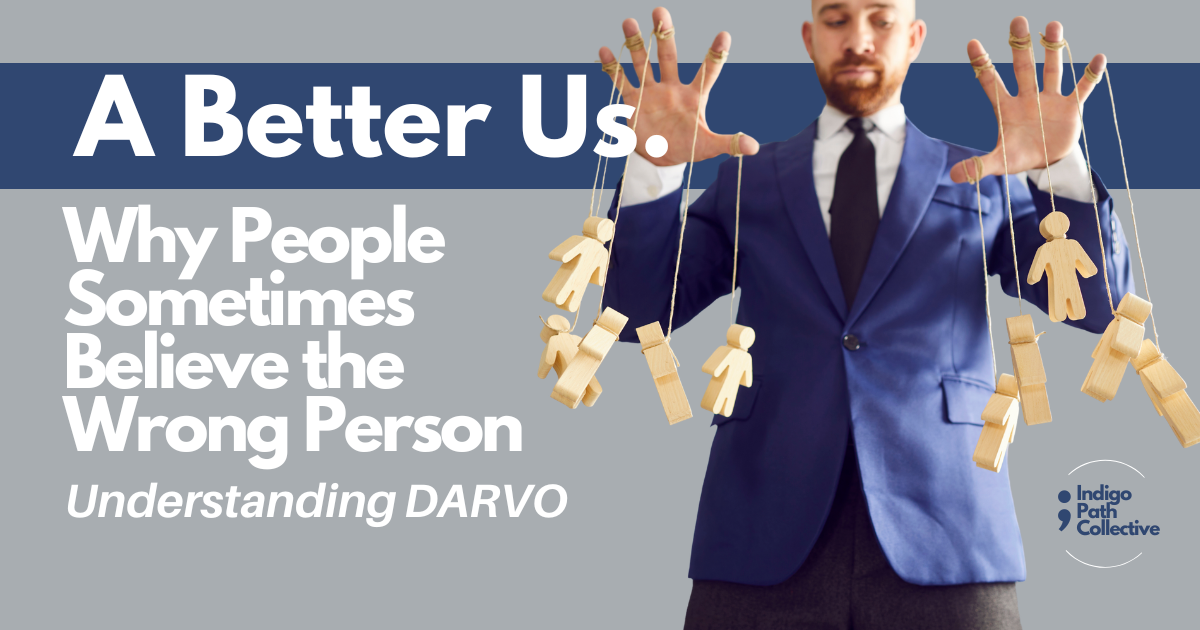
Why People Sometimes Believe the Wrong Person: Understanding DARVO
Why do people sometimes believe the person who caused harm instead of the person who experienced it? Understanding the psychology behind DARVO can help explain why this happens and why rebuilding a trauma-informed relationship with yourself matters, even when others choose the wrong story.
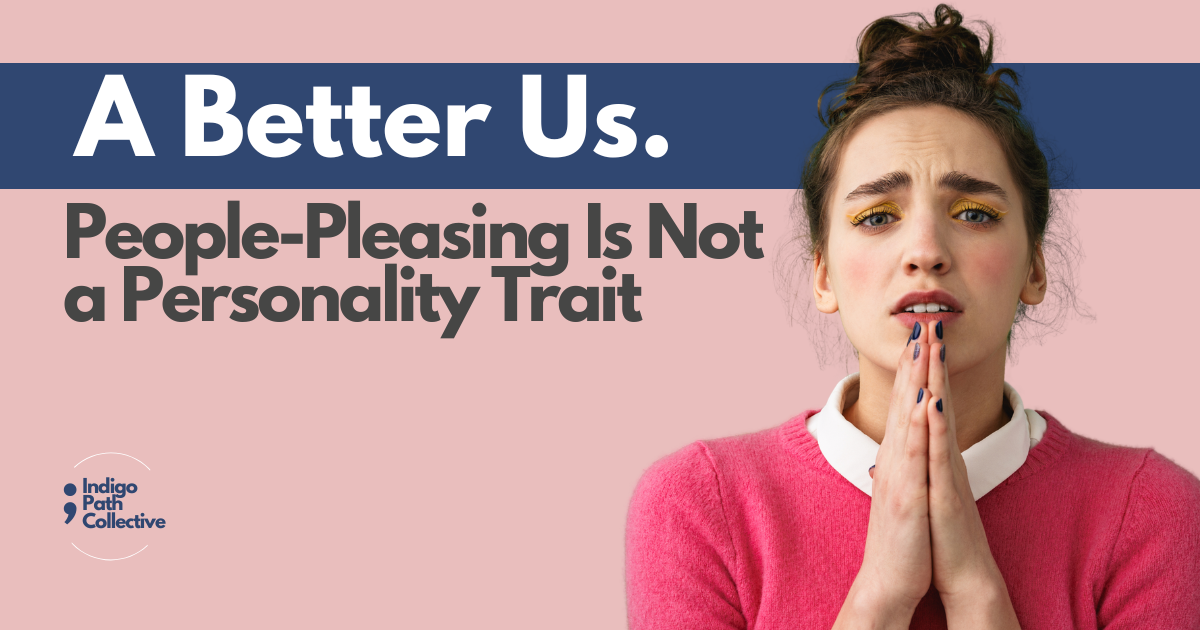
People-Pleasing Is Not a Personality Trait
Many people describe themselves as people pleasers, but people-pleasing may be less of a personality trait and more of a strategy learned to stay safe in important relationships. Understanding the difference between kindness and people-pleasing can change how we understand boundaries, self-authority, and the relationship we have with ourselves.
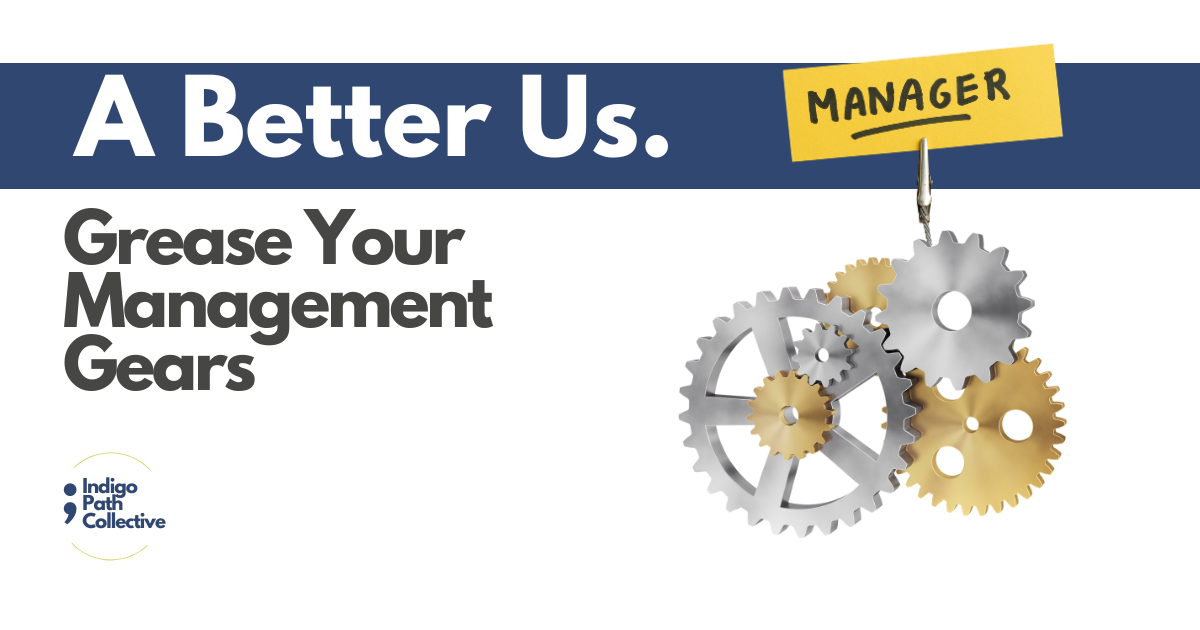
Grease Your Management Gears
Confusing workplaces rarely begin with bad employees. Most of the time, people are trying to do good work inside systems that make success harder than it needs to be. When information becomes disorganized, communication breaks down, and priorities constantly shift, employees absorb the pressure created by the environment around them. Over time, frustration, exhaustion, and disengagement often follow.
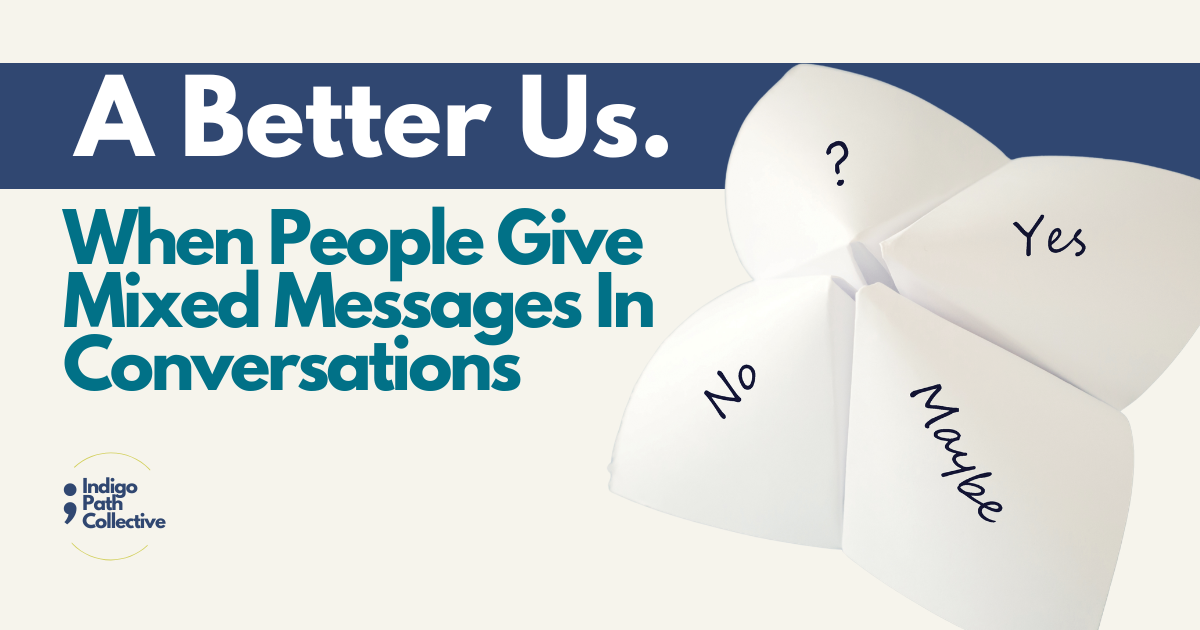
When People Give Mixed Messages in Conversations
Confusing conversations happen more often than most people want to admit. A person says one thing in one conversation and something different in another, and wonders why you feel confused. Or, someone agrees with you in private but then publicly says the polar opposite, and wonders why you feel angry. People often leave interactions like these frustrated with each other when the larger issue of information exchange was never questioned, let alone understood.
Why You Handed Your Authority Over to Other People
At some point, you made a decision about what it would take to stay connected, accepted, or safe. This post looks at how that decision shaped your reactions and your relationship with yourself over time.
When Your Reactions Start Making Less Sense
Your normal reactions were learned for a reason. This post looks at how trauma shapes the way you respond, why those patterns continue, and what it means to renew your relationship with yourself.
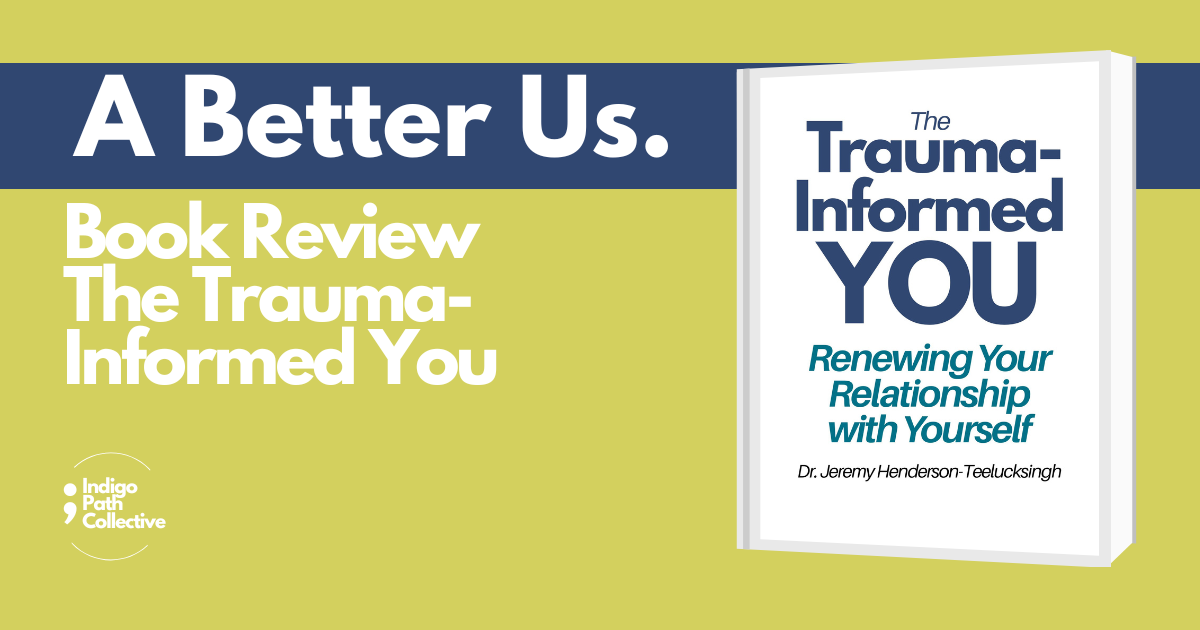
Book Review: The Trauma-Informed You
Most trauma conversations focus on what happened. This book focuses on what happens next. The Trauma-Informed You examines the relationship people develop with themselves after experiences that were difficult to overcome.